OOH & DOOH
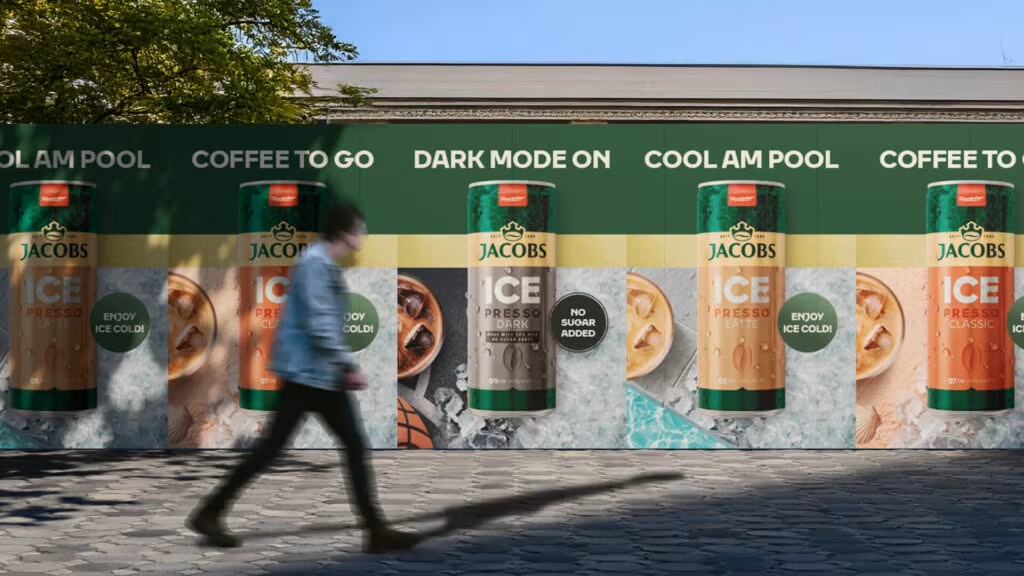
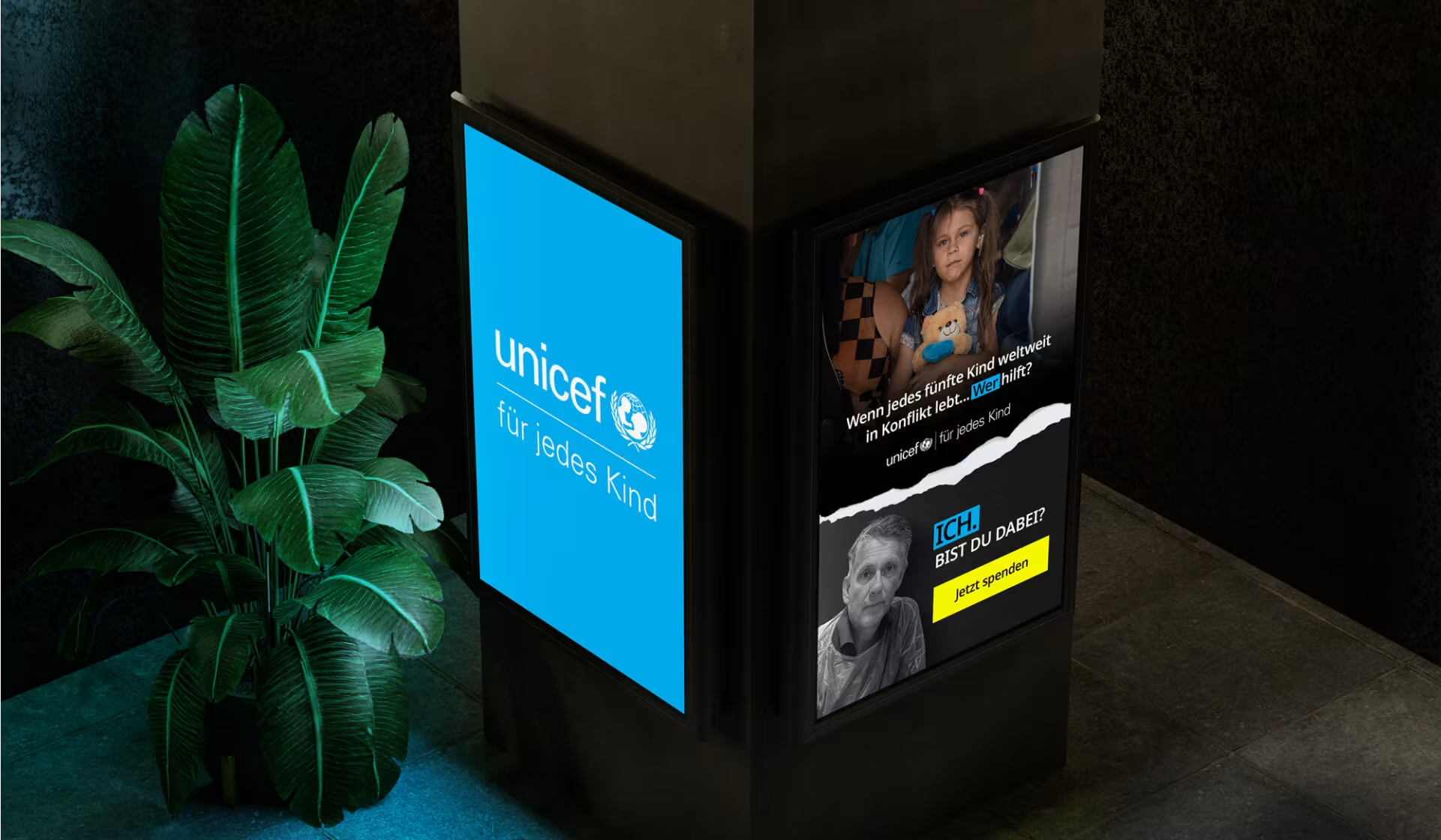
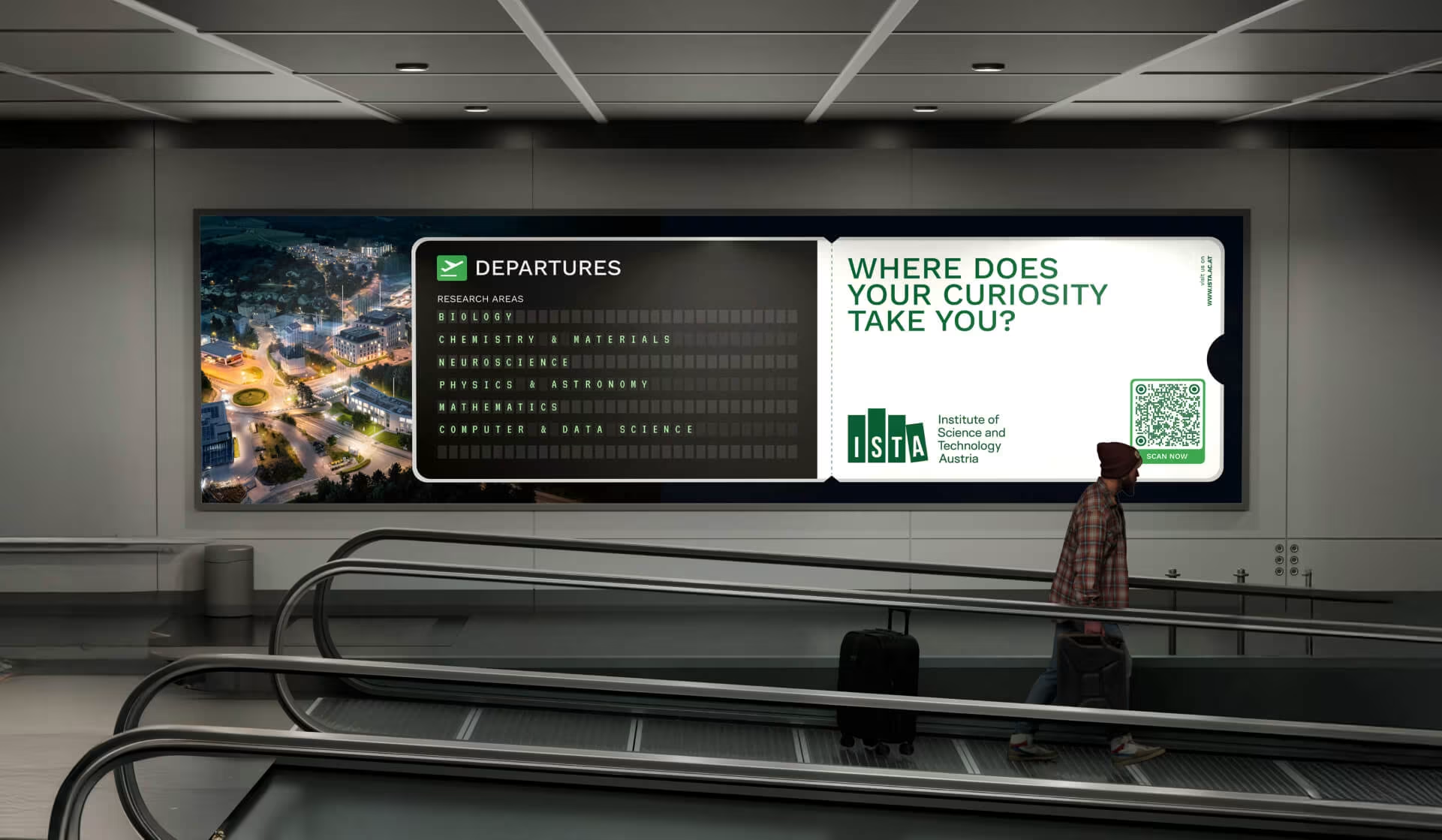
Advertising in public spaces – on posters, billboards, city lights, digital screens – is immediate. There is no distance, no distraction, no ability to scroll. OOH meets people where they are and has seconds to have an impact. In an increasingly digital world, DOOH is becoming increasingly important - dynamic content that changes depending on the time of day, weather or live data.
What is the difference between OOH and DOOH?
**OOH (Out-of-Home)** is the classic format: posters, billboards, city lights, bus stops, train stations. Static, printed, permanent. The message doesn't change. Advantage: Comparatively cheap, long visibility, wide range, no technical problems. Disadvantage: No dynamics, no measurability.
**DOOH (Digital Out-of-Home)** is the modern variant: digital screens in public spaces. Dynamic content, often in a loop, sometimes interactive. Advantage: Dynamically updatable, measurable, time-controlled, localizable, high quality. Disadvantage: More expensive, technical dependencies, shorter viewing time per viewer.
Both have their place. OOH and DOOH often work best together.
What you get
Strategic campaign conception
We clarify: Where should the advertising be? Which formats? Which target group? How long should the campaign last?
Creative designs for all formats
Large format posters, city lights, transit ads, digital screens - all with the same message, but adapted to size and format.
Technical preparation & files
High resolution (300-600 DPI), correct cutting tolerances and bleeding, color safety, DOOH specifications.
Location & Media booking
Optional: We coordinate the locations, book the places, take care of media partners.
Print shop coordination
We deliver print-ready files and accompany the printing - no unpleasant surprises.
Video & Animation (DOOH)
If desired: Moving content for digital screens - 15 second loops, with or without sound.
Our process
-
1. Phase
Briefing & Strategy
First question: Where should your advertising be? In which city? Which area? Which formats? A poster in front of a gym is different than in front of a luxury hotel.
-
2. Phase
Conception & Draft
OOH needs strong, simple ideas. People have seconds of attention. The design must have an immediate impact. Best idea for OOH: One image + 3-5 words maximum.
-
3. Phase
Design & Elaboration
Now we design the formats: billboards, city lights, transit ads, digital screens - all adapted to the size and medium.
-
4. Phase
Feedback & Finalization
We present the designs. Feedback, adjustments – we iterate until everything fits.
-
5. Phase
Handover & Support
Technical preparation of the files. For OOH: print preparation. For DOOH: Upload to platform. Optional: placement and quality checks.
Who is this ideal for?
Retail & FMCG
New products, promotions, seasonal campaigns – OOH is ideal for short-term, visible campaigns.
Real Estate & Real Estate
Large posters on the properties themselves – “Buy now” or “Rent” – very effective and locally focused.
Events & Entertainment
Concerts, theaters, festivals – posters are the classic application with a wide reach.
Employer Branding
“We’re hiring!” on billboards – has an impact and reaches many people with little effort.
How much does it cost?
Multi-format campaign
2,000–5,000€
several sizes, several variants
DOOH with video
3,000–8,000€
Animation, several second variations
Why digitalists?
FAQs
How long should an OOH campaign run?
At least 2-4 weeks for regular viewers to see the message multiple times. 6-12 weeks are ideal for campaigns with a goal (product launch, event).
How do you measure the success of OOH?
OOH is harder to measure than digital: Traditional OOH uses reach estimates. DOOH uses impression counting. Hybrid: Source codes or dedicated landing pages for OOH traffic measurement.
Can you combine OOH with digital?
Yes, ideal even! A poster with a QR code or website attracts people online. Retargeting ads increase the effect.
Do we have to book locations ourselves?
No, we can coordinate that for you - depending on where your target group is and what budget you have.